Hybrid solar, storage, and backup guidance

Growatt helps households and installers choose solar inverters that fit real daily loads.

From a 5 kW hybrid inverter for a garage battery wall to a 12 kW split-phase system for whole-home backup, Growatt keeps the conversation practical: load profile, MPPT range, battery chemistry, monitoring, and service path.
Compare Products
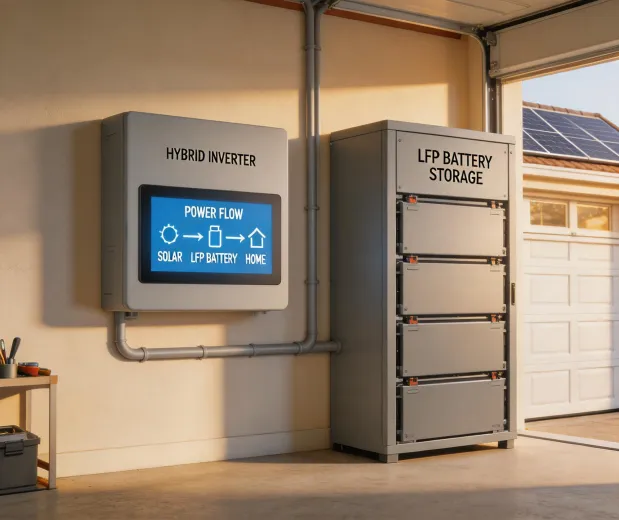
Hybrid inverter and home battery installed in garage
80-550 VTypical MPPT range
10 yrInverter warranty path
LFPBattery-ready design
AppRemote monitoring

Questions first

Simple answers before a purchase order

Start with backup expectations. If you only need daytime PV export, a grid-tie string inverter can be enough. If you want evening self-consumption or critical-load backup, a hybrid inverter with battery ports, transfer control, and compatible LFP storage is the more practical path.

Yes, off-grid inverter/chargers can be paired with PV strings, generator input, and 48 V lithium batteries when array voltage, surge power, and daily kWh demand are sized together instead of selected as separate parts.

Monthly usage, utility voltage, roof orientation, preferred backup loads, battery autonomy target, and local interconnection rules let an advisor narrow inverter size, MPPT string plan, and battery capacity without guessing.

A friendlier selection path

From scattered model numbers to a system plan homeowners can understand

Traditional approach

  • x Start with the cheapest inverter price before checking surge loads.
  • x Treat batteries, PV strings, and monitoring as separate decisions.
  • x Compare reviews without knowing grid code, warranty route, or installer skill.
  • x Leave homeowners with a wiring diagram but no backup priority list.
  • x Delay support because model numbers and fault codes are missing.

Growatt advisory approach

  • check Size inverter output, MPPT voltage, and battery capacity around actual loads.
  • check Match hybrid inverter, LFP storage, smart meter, and app monitoring together.
  • check Explain UL 1741 SA, IEEE 1547, CE, and regional approvals by project location.
  • check Build critical-load guidance for refrigerators, pumps, routers, and lighting.
  • check Keep manuals, serial numbers, firmware notes, and alarm history in the support flow.

Compare common residential paths

Hybrid inverter planning references

Planning item5 kW hybrid path10-12 kW split-phase path
Use caseEssential-load backup and self-consumptionWhole-home backup with larger PV arrays
PV inputDual MPPT, typical 80-550 V operating windowMultiple MPPT channels for roof faces and higher DC capacity
Battery pairing48 V LFP stack, nominal and usable kWh confirmed before quoteExpandable LFP bank with >=6,000 cycles @ 90% DoD target
Grid complianceUL 1741 SA / IEEE 1547-2018 for North America where applicableRegional review for UL, CE, VDE, or AS requirements
MonitoringMobile app production and alarm reviewInstaller dashboard, remote firmware, and fleet visibility

Trusted by practical solar teams

Installer conversations that start with clarity

Sunrise EPC

"The support notes helped our crew explain battery autonomy without overselling it."

HomeGrid Pros

"Clear MPPT and wiring guidance reduced callbacks on our hybrid inverter installs."

Cabin Power Co.

"Off-grid surge sizing finally became a homeowner conversation, not a mystery."

Bright Roofs

"Monitoring setup and alarm review gave us a smoother handover process."

Storage Ready

"The battery-first planning checklist saved time during pre-sales."

SolarDesk

"Documentation was simple enough for sales, yet specific enough for technicians."

Request a fit check

Tell us the load, roof, and backup goal.

Growatt will help outline inverter size, battery capacity, monitoring needs, and the questions your installer should answer before procurement.

Build the solar conversation around usable power, not just product names.

Compare hybrid inverters, batteries, solar kits, and support paths with a practical residential planning lens.

View Product Groups